

Southeast Woods and Whitetail Blog
“Good land management starts with good information.
When you’re ready to apply it to your own property, we’re just a conversation away.”
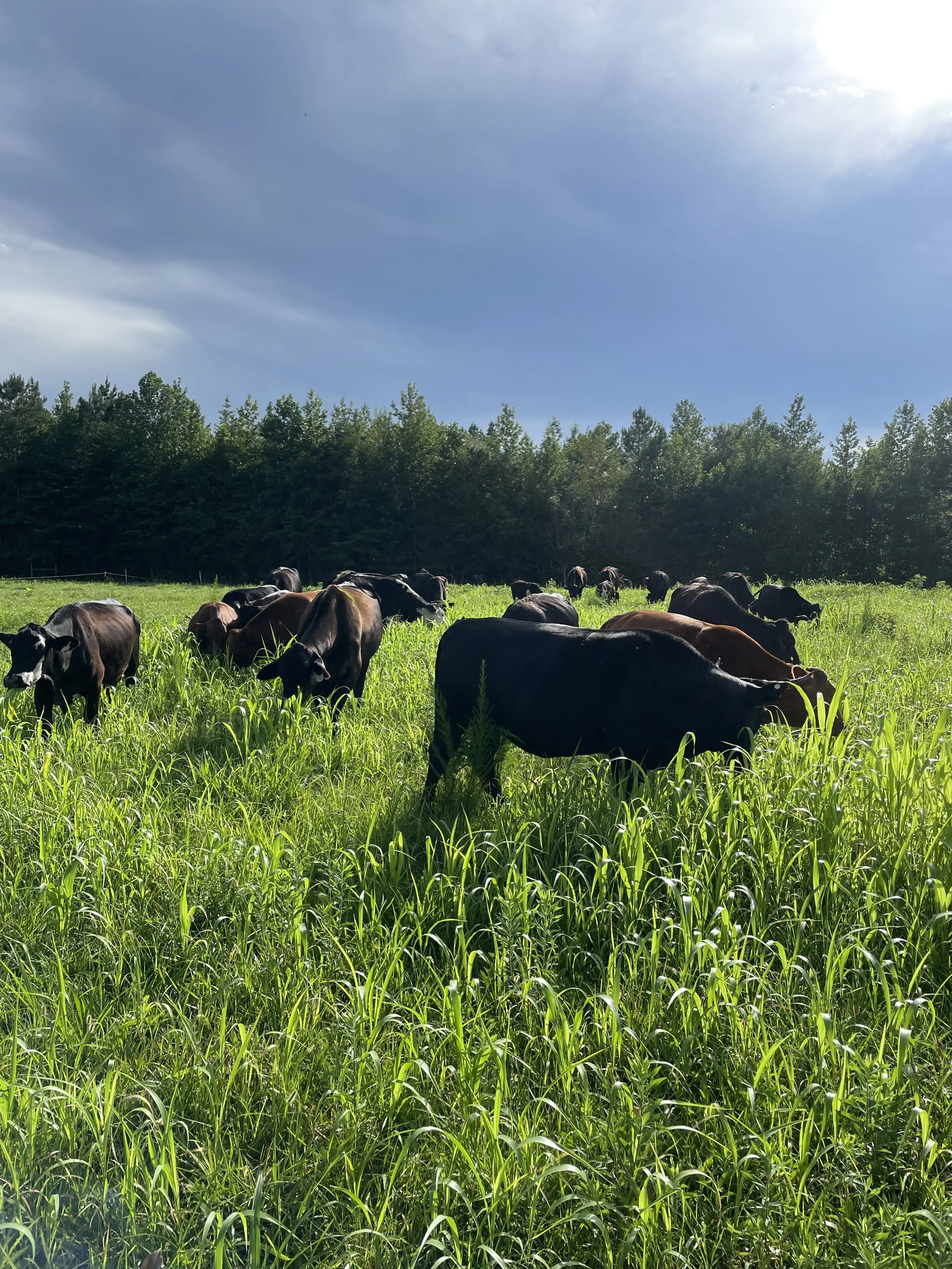
When “Efficient” Stopped Meaning Profitable
Over the past 60 years, the cattle industry has quietly traded grass efficiency for feedlot performance. Today’s “high-performing” cattle often require more grain, supplements, and intervention to maintain productivity—driving up costs while true profitability declines. It may be time to rethink what efficiency really means.
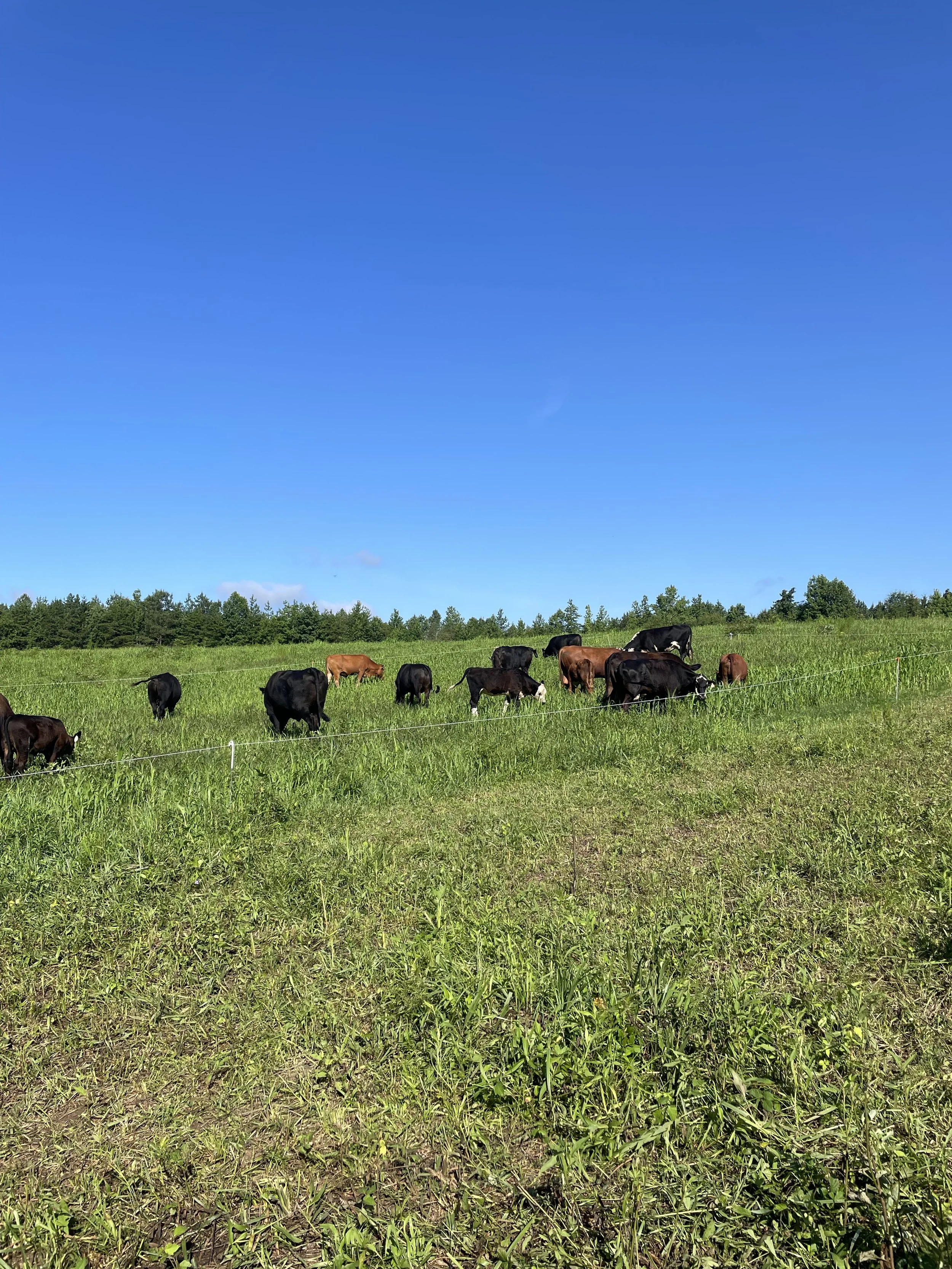
Cattle as a Tool for Wildlife and Land Stewardship
When managed with intention, cattle are far more than a beef-producing animal—they are a powerful tool for restoring wildlife habitat, improving soil health, and rebuilding resilient ecosystems. By mimicking historic grazing patterns that once shaped Southern savannas, properly managed cattle help create the diverse, open landscapes that quail, turkey, deer, and countless other species depend on.
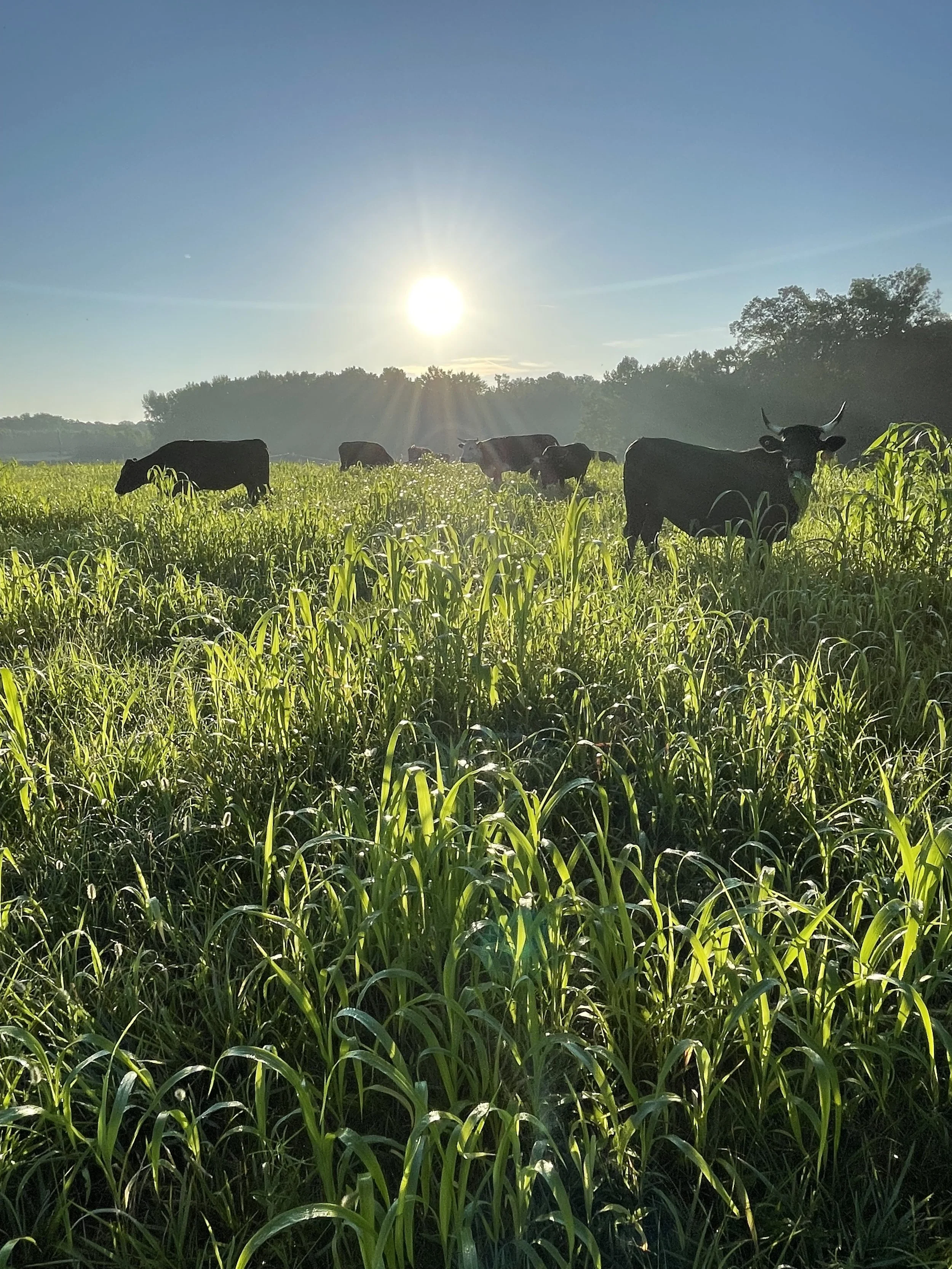
Back to the Way Cattle Were Meant to Live
We believe the best beef comes from cattle raised the way nature intended—on grass, moving daily, and working with the land instead of against it. Our cattle are 100% grass-fed and grass-finished, grazing year-round through intentional rotational grazing that improves soil health and animal well-being.
By mimicking the natural movement of large grazing herds, we build fertile soils, healthier pastures, and more nutritious forage—without herbicides, pesticides, routine dewormers, or unnecessary antibiotics. Our cattle eat grass, drink clean water, and receive free-choice minerals, allowing natural systems to do the work they were designed to do.
This approach builds resilient land, efficient cattle, and exceptional beef. It’s about stewardship, independence, and proving that working with nature—not against it—is still the most effective way to raise cattle.