
Southeast Woods and Whitetail Blog
“Good land management starts with good information.
When you’re ready to apply it to your own property, we’re just a conversation away.”
What You Should Expect from a Wildlife Habitat Consultation
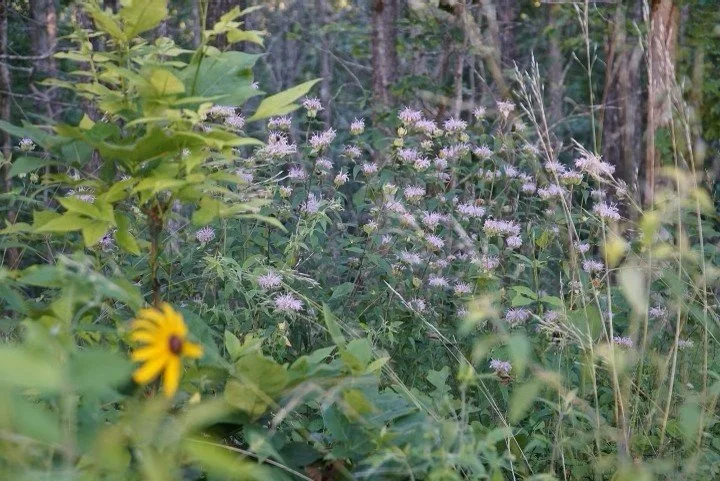
You don’t know what you don’t know. A professional wildlife habitat consultation provides boots-on-the-ground evaluation, strategic mapping, timber and fire planning, hunting access design, and NRCS guidance — giving landowners clarity and confidence before investing time and money.
Wildlife-Focused Forestry & Timber Management
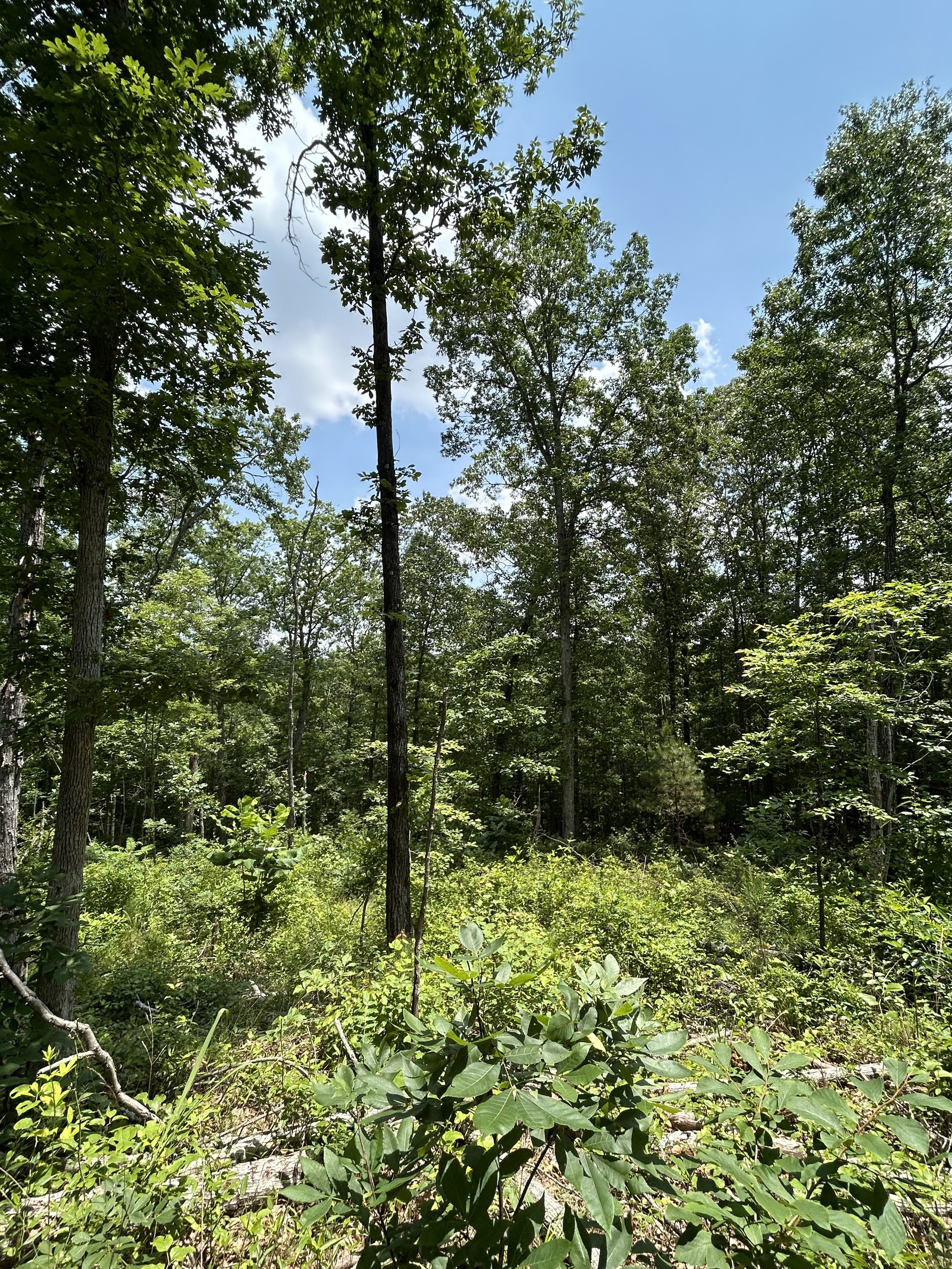
Wildlife-focused forestry does not ignore economics—it reframes them. Instead of chasing maximum stumpage or ideal market timing, it reallocates value toward improved wildlife use, hunting opportunity, recreational enjoyment, and long-term stewardship. In many cases, the return on investment is not measured in board feet, but in how the land functions, how it is used, and what it provides to the landowner over time.
Cattle as a Tool for Wildlife and Land Stewardship
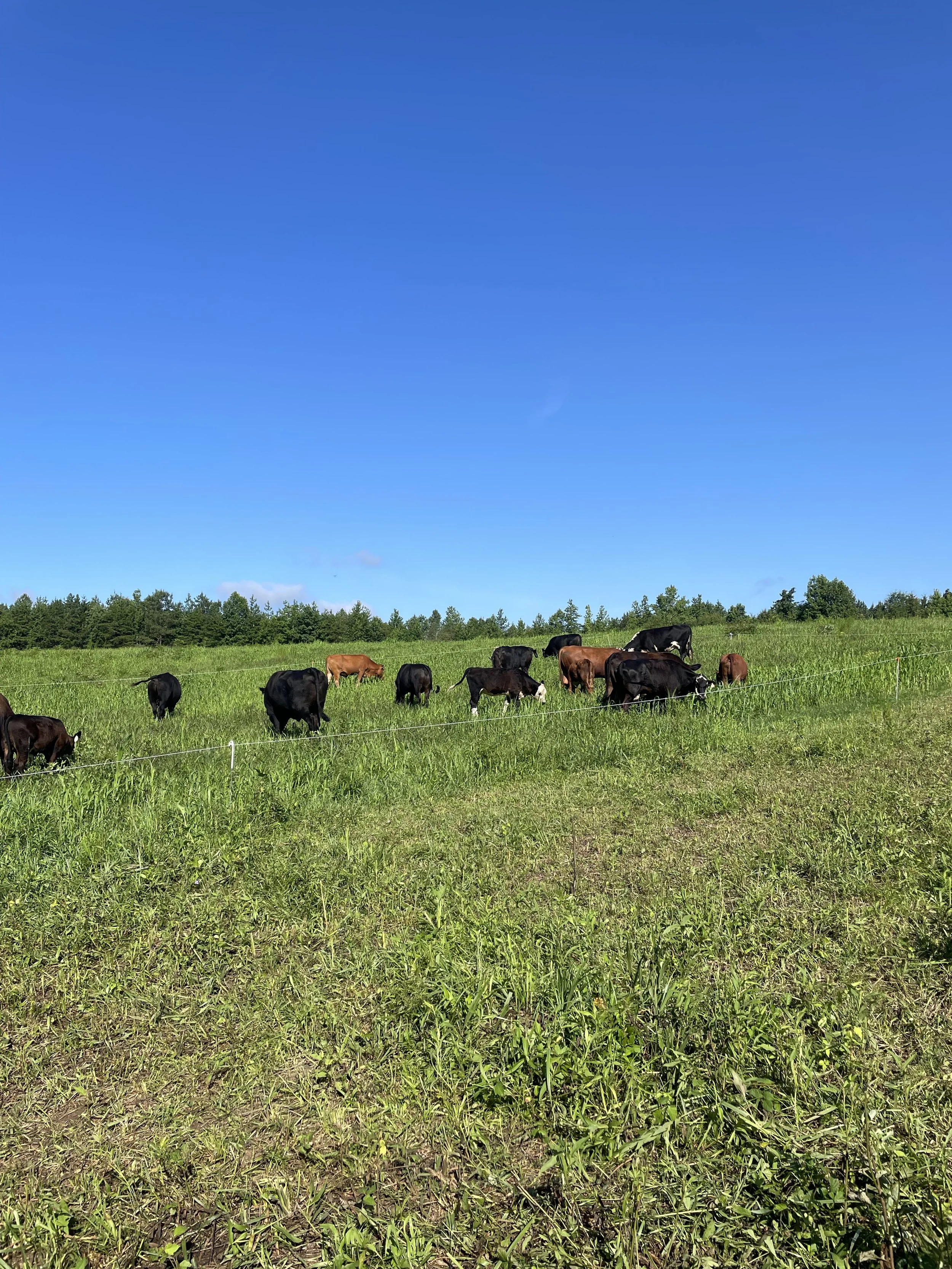
When managed with intention, cattle are far more than a beef-producing animal—they are a powerful tool for restoring wildlife habitat, improving soil health, and rebuilding resilient ecosystems. By mimicking historic grazing patterns that once shaped Southern savannas, properly managed cattle help create the diverse, open landscapes that quail, turkey, deer, and countless other species depend on.

Why Doing Nothing Is Killing Your Hardwood Forest
Most hardwood stands today are full of mature oaks—but almost no young ones. It’s a quiet crisis unfolding across the Southeast, and it’s called the oak bottleneck. Without fire, harvest, or competition control, shade-tolerant species like maple and poplar are replacing oak for good. If you want your grandchildren to walk beneath the same oak canopy you enjoy today, doing nothing isn’t an option.

Maximizing Habitat Quality: The Role of Timber Stand Improvement for Deer and Wild Turkeys
Timber Stand Improvement (TSI) is a powerful tool for enhancing wildlife habitats, particularly for deer and wild turkeys. By reducing canopy cover and increasing sunlight penetration, TSI promotes the growth of valuable forage and mast species. It also supports improved nesting and brood-rearing habitats for turkeys, creating an open understory with plenty of ground cover. With proper techniques like selective tree removal, oak preservation, and invasive species control, TSI can help create diverse and productive habitats for wildlife throughout the year.