

Southeast Woods and Whitetail Blog
“Good land management starts with good information.
When you’re ready to apply it to your own property, we’re just a conversation away.”
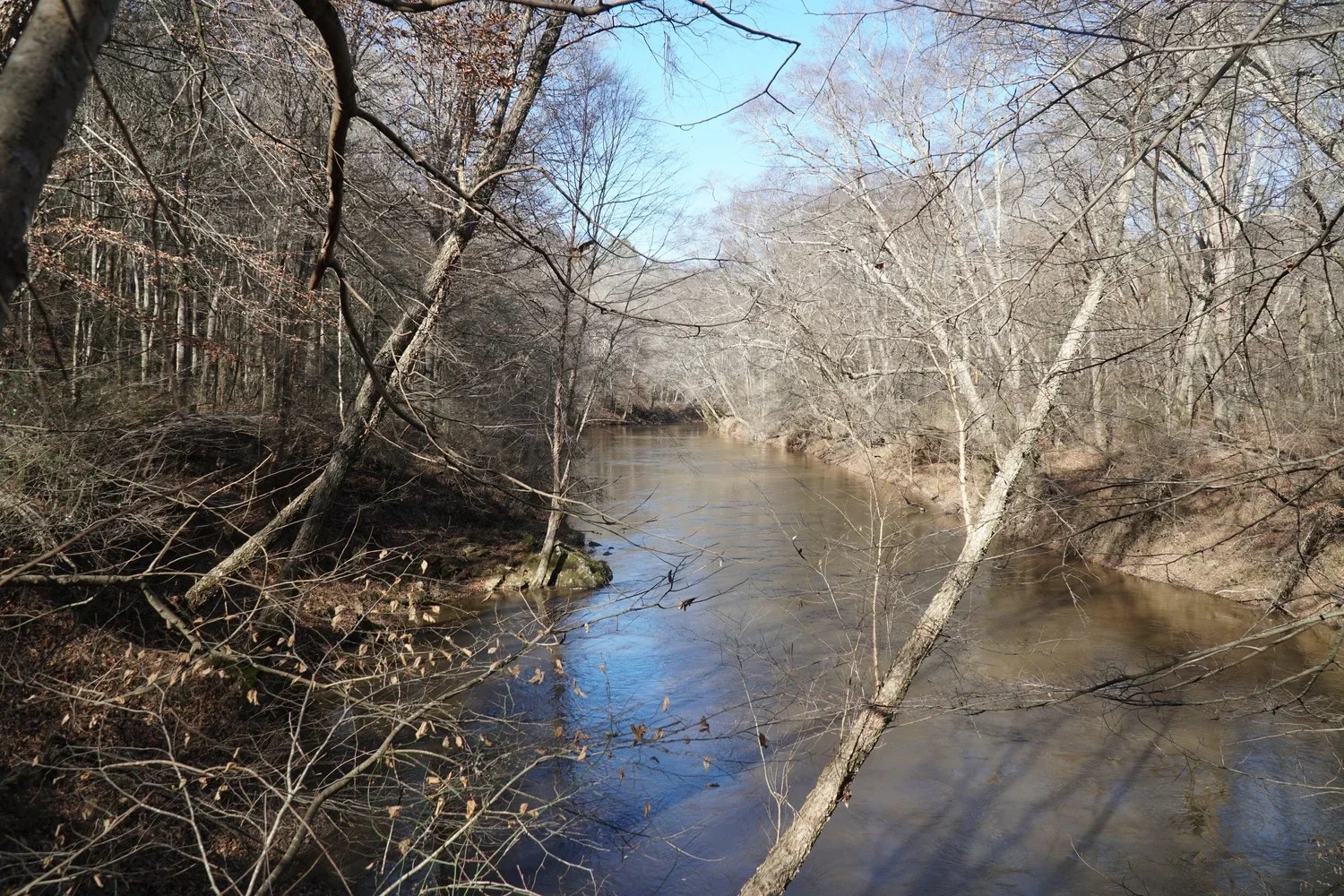
Cost-Share Funding for Landowners: A Guide to NRCS & State Forestry Programs
Cost-share programs through NRCS and state forestry agencies can significantly reduce the cost of improving wildlife habitat, timber value, and agricultural productivity. While the application process is simple, understanding how to rank well and avoid overcommitting is key. This guide breaks down how these programs work and how to use them effectively as part of a long-term land management strategy.
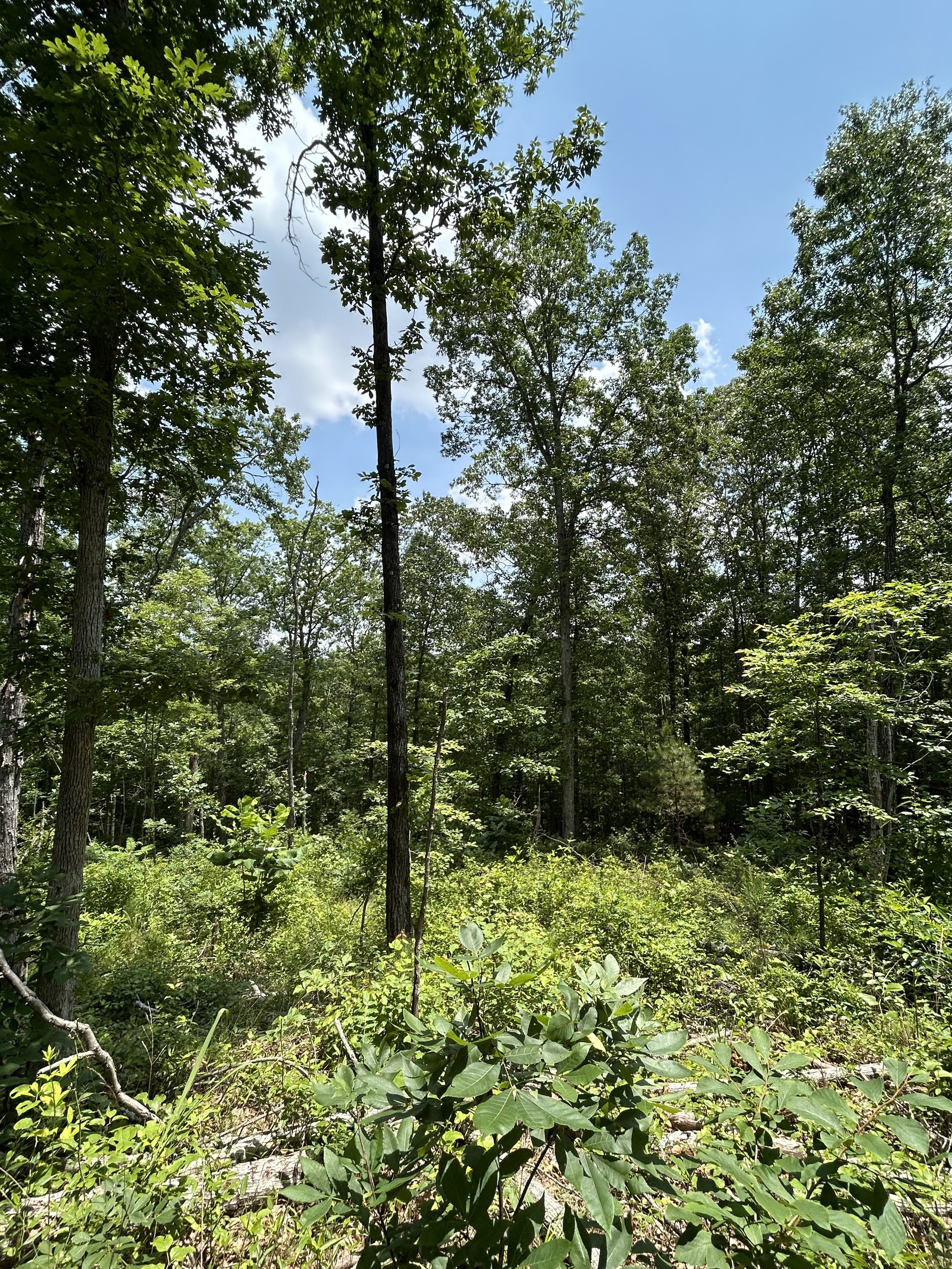
Wildlife-Focused Forestry & Timber Management
Wildlife-focused forestry does not ignore economics—it reframes them. Instead of chasing maximum stumpage or ideal market timing, it reallocates value toward improved wildlife use, hunting opportunity, recreational enjoyment, and long-term stewardship. In many cases, the return on investment is not measured in board feet, but in how the land functions, how it is used, and what it provides to the landowner over time.
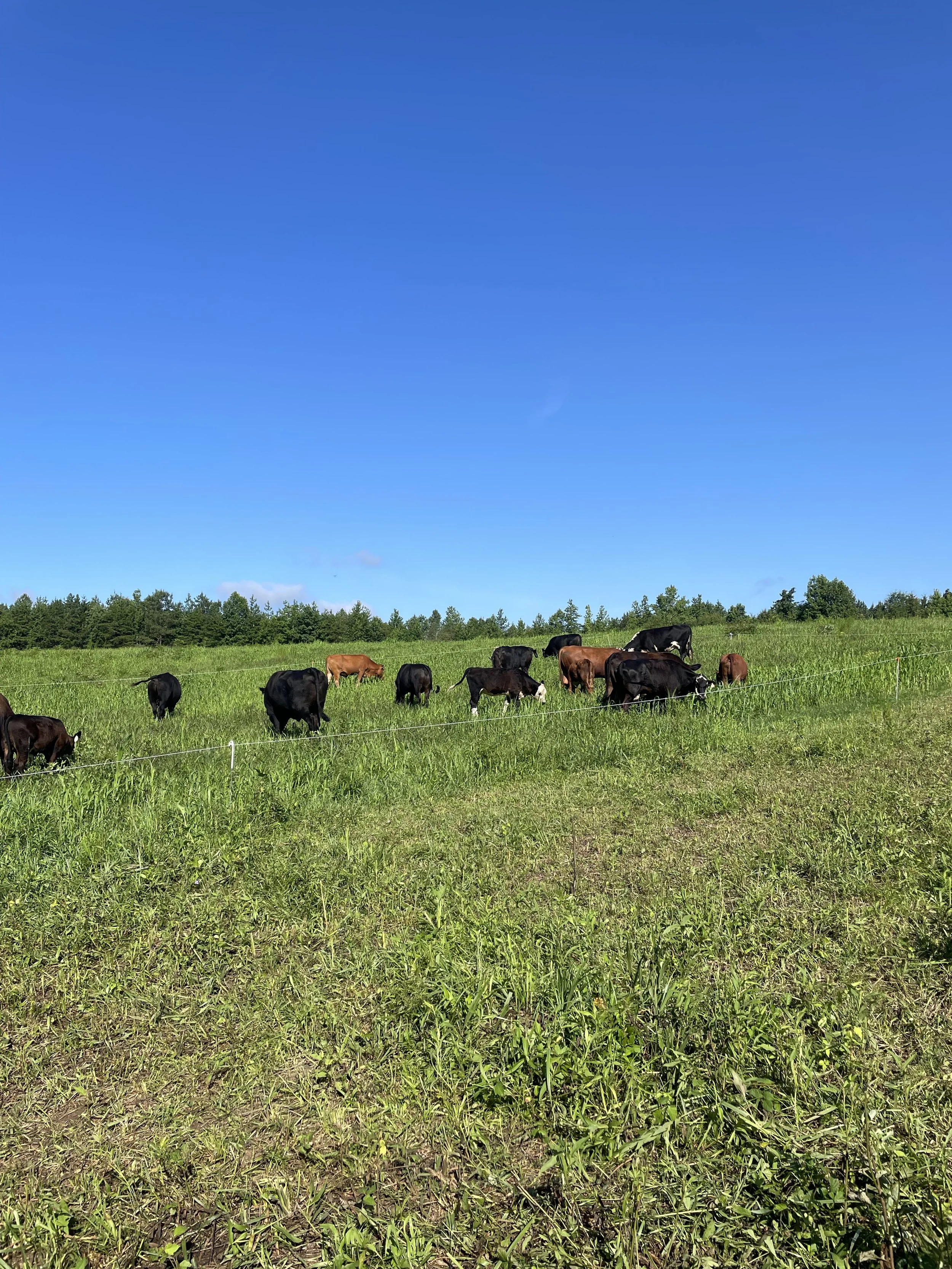
Cattle as a Tool for Wildlife and Land Stewardship
When managed with intention, cattle are far more than a beef-producing animal—they are a powerful tool for restoring wildlife habitat, improving soil health, and rebuilding resilient ecosystems. By mimicking historic grazing patterns that once shaped Southern savannas, properly managed cattle help create the diverse, open landscapes that quail, turkey, deer, and countless other species depend on.
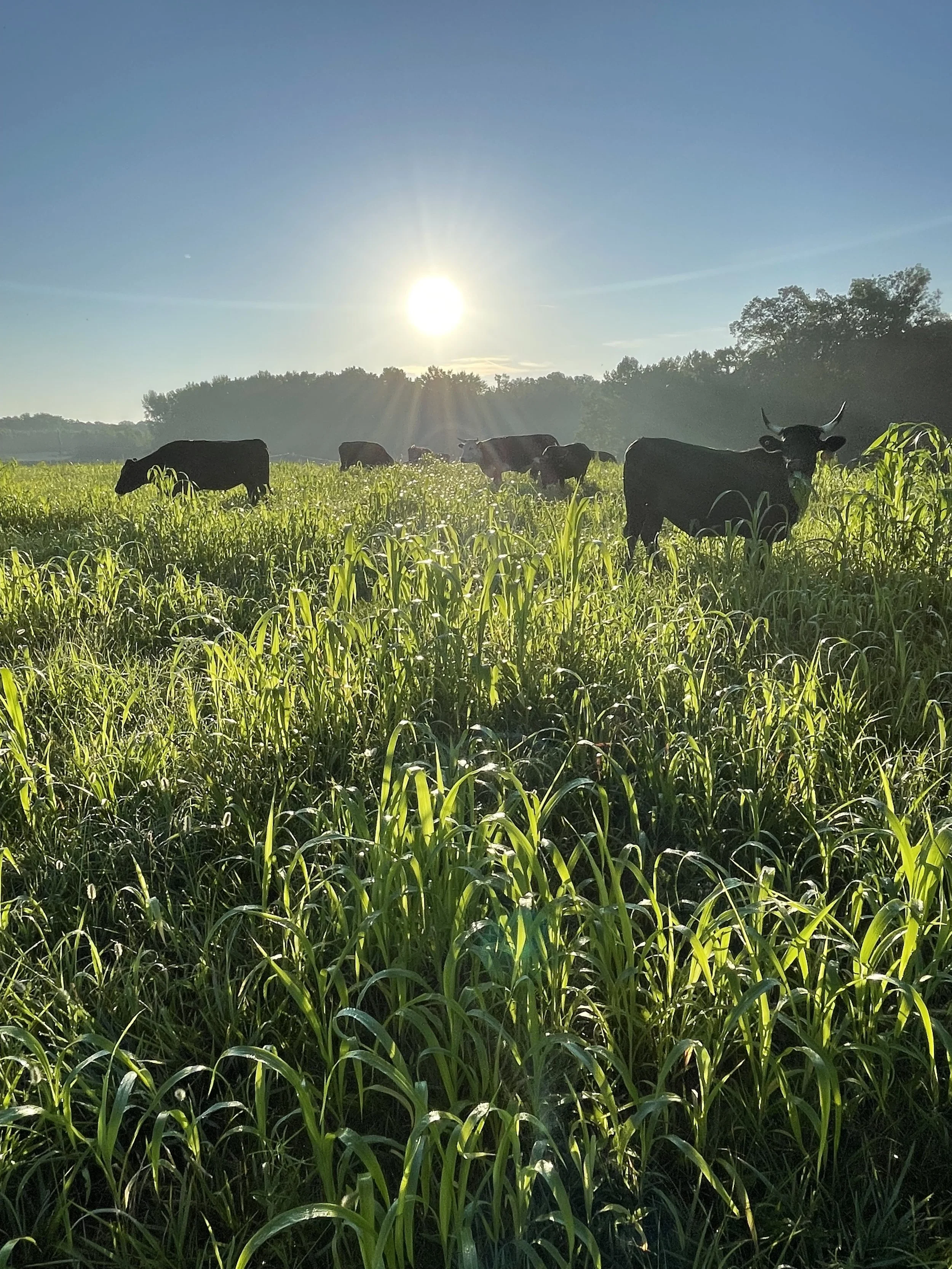
Back to the Way Cattle Were Meant to Live
We believe the best beef comes from cattle raised the way nature intended—on grass, moving daily, and working with the land instead of against it. Our cattle are 100% grass-fed and grass-finished, grazing year-round through intentional rotational grazing that improves soil health and animal well-being.
By mimicking the natural movement of large grazing herds, we build fertile soils, healthier pastures, and more nutritious forage—without herbicides, pesticides, routine dewormers, or unnecessary antibiotics. Our cattle eat grass, drink clean water, and receive free-choice minerals, allowing natural systems to do the work they were designed to do.
This approach builds resilient land, efficient cattle, and exceptional beef. It’s about stewardship, independence, and proving that working with nature—not against it—is still the most effective way to raise cattle.